Heritage homes earn commitment with detail. The hand-pressed brick, the limewash, the slate that still rings when you tap it with a knuckle, these components hold a rhythm that modern replacements commonly miss out on. Yet the attic room bakes in summertime, rafters sweat in winter months, and if the air can not move, time will certainly discover its method all the wrong areas. Air flow is not attractive up until it falls short. Then paint blisters, nails rust, shingles cup, and the moldy sweet taste of rot works out in. Addressing that, without breaking the home's spell, calls for custom-made roofing system vents created with the very same reverence as a carved newel post.
I have spent chilly mornings and hotter mid-days on old roofings, tracing phantom air movement with a smoke pencil and a flashlight, paying attention for the telltale murmur under the ridge. The truth is unforgiving yet simple: a heritage roofing system requires to take in a manner in which appreciates its bones. Off-the-shelf vents hardly ever straighten with duration roof covering pitches, slate flowing, or the geometry of dormers that were drawn with a carpenter's square, not a formula. Personalized roof vents recover the balance, and when done appropriately they vanish right into the make-up like a well-tailored seam.
What appropriate ventilation actually carries out in an old house
An aerated roof system takes care of temperature and wetness. In wintertime, it keeps the roof deck cold, aiding protect against ice dams, and brings indoor dampness that sneaks into the attic out before it condenses on the underside of the sheathing. In summer season, it relocates hot air that can push shingle temperature levels past 150 degrees, cutting years off their life. The physics are not flexible, yet the way you reveal them in copper, zinc, or repainted steel can be artful.
With heritage structures, the stakes run greater. Older homes typically have plank sheathing rather than OSB, rafters sized by general rule, and complicated junctions where air stalls. There may be no soffit vents to draw intake air, or the eaves might be enclosed in luxuriant crown work that you would certainly never ever pierce. Add slate or clay tile, and the ventilation course need to work around thicker materials and historical fasteners. A custom method fits the material as opposed to requiring it.
The makeup of a personalized roofing system air vent that belongs on a historical silhouette
To go away, a vent have to first do. Performance resides in cross-sectional area, baffle geometry, and water administration. Charm gets here in proportion, joint placement, and finish.
A standard louver can be made to supply 12 to 18 square inches of net totally free area per direct foot while withstanding wind-driven rain at 40 miles per hour or even more. The technique depends on blade overlap, deepness, and the peaceful angle that lets air slip through while water stalls and drains pipes. Behind that face, an interior seamless gutter or weep path keeps roaming droplets from the roof covering deck. On the outside, a hemmed edge and locked seams tie into the roofing in a manner that sheds water the means a tile does, top over bottom, never ever across.
On slate or tile, a low-profile vent skirt with soldered edges and a stepped head blinking permits the course over to lay all-natural without a warning hump. On metal roofings, standing seam assimilation demands pan breaks that resemble the joint spacing and clip places. These are not decisions to guess at on website with a pair of snips. They are shop-crafted details, gauged to the pitch and coursing, prefitted to a template, then set up without forcing anything out of alignment.
Period-correct forms that relocate air without shouting
When you approach a Georgian or a Tile Design home, your eye expects particular rhythms. A high ridge with tidy darkness lines does not desire a plastic mushroom cap jabbing its crown. Custom roofing system vents, scaled correctly, become part of that anticipated rhythm.
I support 3 expressions that sit quietly on old roofings:
- Low ridge vents with concealed louvers. These sit just listed below the crest, commonly in a continual run, with a standing seam-like cap that reviews as part of the ridge trim. From the road they vanish, yet they deliver continual exhaust. When produced in copper or terne-coated stainless and hemmed to match a slate ridge roll, they feel inevitable. Gable-end louver boxes that function as ornament. On a Queen Anne with tile moves, a gable louver formed like a flattened diamond or an ellipse can match initial millwork drawings while supplying major internet cost-free location. With crisp darkness lines and a refined finial at the peak, these vents come to be an ornamental asset. Discreet turtle vents dressed as mini dormers. When the attic lacks a continual ridge, a series of low-slung dormer-like vents can separate a lengthy slope without resembling something out of a strip mall. They pull air equally from the insulation align and withstand wandering snow if you provide a hipped cap with a modest overhang.
Each needs cautious percentage. An air vent that is one program too high on slate reveals itself from the visual. The guideline I use is to match the louver opening elevation to a several of the roofing covering module, never landing on a half-course. This way the pieces read as if they always belonged.
Material choices that earn their patina
For heritage homes, products use the story. Copper is the default permanently reason, with service lives that frequently go beyond 75 years. It solders easily, resists corrosion, and softens right into that calm brown and after that eco-friendly that enjoys old block and rock. For clients who favor a cooler tone, zinc has a sensible grey that grows magnificently and pairs well with limestone lintels. Terne-coated stainless deals the old-world look of lead-tin terne without the upkeep or ecological concern.
Painted aluminum can perform admirably if you appreciate its growth and choose a robust covering. High-build fluoropolymer paints in colors like iron black, pewter, or bone white can sit pleasantly on a painted wood cornice. Galvalume, if appropriately detailed and avoided copper call, supplies durability on more modest budgets.
Where 2 steels meet, galvanic separation is not optional. I have seen new vents weep brownish streaks since copper saddled onto bare steel fasteners. A regimented steels package belongs to workmanship. Business that concentrate on building metals, such as Salvo Metal Works, typically bring a degree of shop control that makes these intersections predictable and durable.
The silent choreography of consumption and exhaust
Exhaust-only systems fail. The attic room draws air from conditioned room, taking heat and moisture from the rooms listed below and sometimes making air top quality worse. Balance issues. In heritage homes without soffit vents, there are workable options that preserve the eaves.
One method conceals intake behind a period-appropriate crown under the rain gutter line, essentially a constant louver with an insect screen and water diverter. Repainted to match the trim, it vanishes. An additional option utilizes customized leader boxes as part of a distinct intake strategy. Where downspouts fulfill the fascia, a specially created leader box with a back baffle can confess air right into the attic room plenum, while its external face matches the building's rainware style. It appears exotic, but with cautious screening and an appropriate baffle that prevents rain draw, it works well. In snowy environments, I like consumption openings at least 10 inches above the common snow line at the eave.
On hipped roofs without gables or ridges long enough to bring the tons, I create a hybrid: low-profile exhaust vents near the ridge edges, paired with either hidden eave intakes or consumption vents incorporated right into much less noticeable porch roofings that attach right into the attic using chases. Air does not care about home lines, but it does adhere to physics. Give it a simple course in and a less complicated course out.
Marrying ventilation to various other architectural elements
The best jobs incorporate ventilation with the roofing system's sculptural features. A line of custom dormers can be made with hidden louver panels in their cheeks, gave the dormer offers an unconditioned attic room. Cupolas typically show up as decorative afterthoughts, yet a well-proportioned custom-made cupola can give amazing stack-effect exhaust. If you build it with internal baffles, screened louvers, and a detachable access panel, you gain service and a stress alleviation factor that never calls attention to itself.
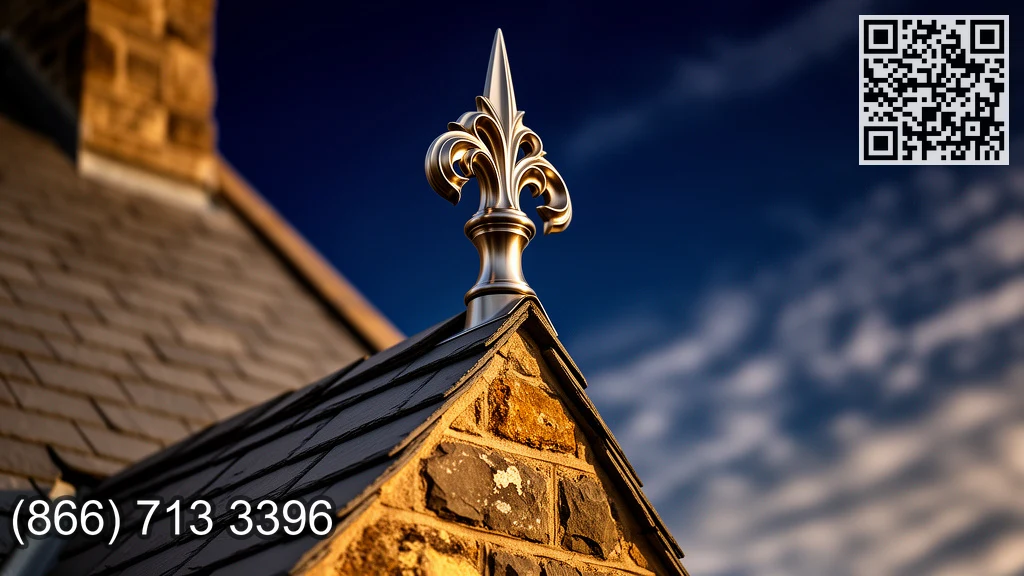
Finials and cresting rarely contribute in airflow, yet they can share the very same materials palette so the roof reads as a complete structure. Personalized finials in copper or zinc crown ridges and gable optimals, providing the vents close by an aesthetic ally. On smokeshafts that struggle with backdrafts at specific wind angles, custom chimney shadows can support the pressure field without reading like a stovepipe cap from a directory. Correctly proportioned, a shroud secures flue tops, tempers downdrafts, and enhances the ridge air vent profile. You can review an entire roofline as a household of information when every piece is considered at once.
Navigating historic testimonial and contemporary codes
Working within historical districts calls for diplomacy and preparation. Design boards often tend to approve ventilating strategies that can not be found from public methods or that echo recorded criteria. I bring scaled drawings that show sightlines, a small mockup with real steel surfaces, and, if needed, infrared images of existing warmth accumulation to validate the intervention.
From the code viewpoint, most jurisdictions need minimal internet totally free ventilating location computed as a percent of the attic floor area, often 1/150 or 1/300 relying on vapor barriers and balanced consumption to exhaust. I convert those numbers into air vent runs on the drawings, keeping in mind the actual internet complimentary area after displays and louvers. Over and over I discover that a constant low ridge air vent delivers one of the most dependable exhaust without visible clutter, while distributed consumptions, either concealed at the eave or tucked right into less visible gables, complete the circuit.
Fire codes affect product selections near smokeshafts and mechanical flues. Maintain combustible air vent framing well away from hot work, and use fireproof flashings where warm may increase. In wildfire-prone areas, ember-resistant displays are vital. The mesh needs to be tight adequate to block coal yet open sufficient to take a breath, which usually implies 1/8 inch corrosion-resistant screens paired with a louver account that maintains rain at bay.
When weather condition transforms from enemy to tutor
You discover heaviest lessons throughout heavy weather. I keep in mind a lake-effect tornado that coiffure powder snow sideways for 14 hours. The homes that made out best had air vent faces secured by a slight undercut drip and a wind baffle, gone about one louver deepness from the exterior face. The snow hit, swirled, and passed away prior to it reached the screen. Easier vents without that internal baffle tackled fine snow and dripped for days.
On coastal homes, cyclone winds can drive rain up an incline and into anything that will certainly accept it. I specify backpans with kicked-up back flanges that tie right into underlayment and a secondary sealer path. The vent body drifts above a totally blinked aesthetic so even if wind raises a tile, water needs to find its means around a moat. It rarely does.
Southwest sun cooks repaint and confiscates inexpensive gaskets. If you operate in high-UV regions, pick steel surfaces and seals accordingly. Silicone gaskets that stay adaptable at 180 degrees, not neoprene salvo metal works custom copper finials naperville il that transforms milky and fractures, will maintain an air vent honest long after the roofing professional's truck leaves.
Craft and control on site
A custom vent is only comparable to its handoff from the store to the roof. I begin with layouts made from thin plywood or high-density fiberboard that match the real incline and training course spacing. These layouts carry placement marks that resemble ridge centers, rafter lines, and referral courses. When the store makes, they identify every item, and we dry-fit on sawhorses prior to touching the roof.
If the job includes slate or tile, I schedule a slater who understands how to change damaged pieces without a carolers of copper bibs revealing from ten rates. Fasteners have to match metals. Stainless with copper, never ever zinc-plated steel under copper. Joints are secured and soldered where appropriate, however I avoid relying on sealer as the main protection. Sealer is a politeness, not a strategy.
For clients, one of the most comforting thing is frequently the absence of drama. The vent arrives, sets up without requiring nearby roofing system lines, and all of a sudden the attic room air modifications character. A hygrometer that used to review 70 percent moisture on a January early morning currently checks out in the 40s. The fragrance of wet wood fades.
Respecting snow and ice: vents and snow guards
In north environments, air flow and snow management go together. A properly ventilated cool roof covering reduces meltwater that feeds ice dams, but snow still relocates. When sheets of it glide down a metal roof, they can shear off a vent or flex its cap if there is no restriction. Custom-made snow guards, spaced to the roofing's joint pattern or slate coursing, hold the snow blanket in position to thaw securely. Their patterns can echo period ironwork, transforming a safety and security device right into ornament.
Placement issues. I like the very first row of snow guards simply above the eave line, after that a staggered grid up the slope, with tributary spacing based upon roof pitch and normal snowfall. Maintain any type of vent downstream of a break line in the snow guard pattern, so moving mass never bears upon it. On slate, make use of bolt-through snow guards with backing plates where framework enables, or hook-type guards tied to the slate program for much less intrusive installs.
Holistic roof metals: letting the scheme sing
When you decide to pursue custom roof vents, you are hardly ever transforming one piece. The roof covering comes to be a canvas with a steels scheme. Salvo Metal Works and comparable shops can develop a systematic collection of information so absolutely nothing looks added. You begin with personalized roofing vents and rapidly understand the gable requirements equilibrium from a carefully made gable louver, the seamless gutter system should have custom-made leader boxes that fit the fascia proportion, and the smokeshaft caps want to straighten visually and materially.
I have actually seen projects change when all the components share coating and self-control. A weathered copper ridge vent, copper snow guards capturing mid-day light, a set of customized leader boxes that check out like fashion jewelry versus repainted clapboard, and a chimney shroud that relaxes the gusts, with each other they make your house feel systematic. Also the dormers can put on a touch of copper at their cheeks or via very discreet personalized dormers that bring light and air without looking like a later addition.
Sustainability without slogans
Long-lived metals, properly described, are sustainable in one of the most literal feeling. You buy as soon as, you keep lightly, and you avoid replacements. Attic temperature levels trimmed by 10 to 30 degrees in summertime soothe mechanical systems and minimize peak loads. In winter season, drying the roofing system deck and insulation stops mold and mildew and maintains R-value. Basic numbers tell the tale. A 2,000 square foot attic ventilated to 1/300 proportion requires about 6.7 square feet of net free area, divided uniformly between intake and exhaust. Convert that right into a 40-foot ridge run at 12 square inches per direct foot, and consumption to match, and the house takes a breath as a system rather than as a collection of emergency patches.
If you're retrofitting, withstand the urge to oversize. Past a factor, larger vents invite wind-driven moisture and interfere with pressure areas. Equilibrium beats strength, always.
When a vent comes to be a signature detail
Every from time to time, a vent wishes to be seen. On a fieldstone chateau with a high, tidy ridge, we constructed a series of copper ridge boxes with tiny, pierced quatrefoil panels, an echo of the tracery in the leaded glass below. They vented a warm attic that had actually prepared finishes for years, but they additionally sang a note that connected the roof covering to the windows. The pattern was reduced by waterjet, borders eased, and the panels backed by bronze pest displays. Years later on, they have actually darkened to a quiet brown and really feel as if they existed at your home's birth. That is the goal: to fix a technical trouble while adding elegance, not clutter.
Commissioning the ideal partner
A personalized vent is not an illustration in the margin. It needs a maker that reviews buildings and recognizes steel. Seek producers that can provide shop drawings with section puncture the vent revealing air flow path, frustrates, and water drainage. Ask to see solder joints and hems without sealer smears. Great stores procedure face to face when possible, or they offer exact design templates and check dimensions against actual inclines and flowings. Salvo Metal Works is just one of the names I depend on for this degree of work. They comprehend that a vent on a Colonial Rebirth townhouse is not the like one on a Prairie residence, and they bend accordingly.
Coordination with the contractor is nonnegotiable. One of the most stunning vent, mounted out of sequence, becomes a headache. Sequence the underlayment, ice guard, and flashings so each layer works for, not against, the air vent body. Photo each stage. Future guardians will thank you when maintenance becomes essential years later.
A brief proprietor's list for defining custom-made roof covering vents
- Document roof pitch, covering type and flowing, rafter format, and attic room volume. Action, do not guess. Decide on an intake approach that maintains eaves. Verify net totally free area targets and balance. Select products and coatings that line up with various other roof covering steels, including custom snow guards, leader boxes, and smokeshaft shrouds. Insist on shop illustrations with air flow and water drainage courses, and verify combination with underlayment and blinking systems. Mock up on website, even at decreased scale, to check sightlines from the ground and essential windows.
What success looks like
A month after a well-executed set up, the evidence becomes mundane in the best method. The attic room smells neutral, not wonderful or dank. The underside of the roof covering stays within a few levels of the outside air on cold days, and your infrared camera sees even tones rather than hot or cold spots. In a summertime heat wave, the second-floor corridor no more suffocates by midafternoon. Repaint on outside trim holds sheen much longer. Slate, left unbaked, stops cupping and fracturing at the edges. You start to forget there was an issue to solve.
That is the peaceful guarantee of a great customized roofing air vent on a heritage home. It maintains the roof covering in working order while letting the design keep speaking. It aligns the functional with the poetic. The metalwork hums together with the roofline, your home takes a breath, and the information, those that first made you drop in love, keep gaining that love period after season.
Salvo Metal Works
Office - (630) 857-3631
Toll Free- (866) 713-3396
[email protected]
566 W 5th Ave, Naperville, IL 60563
 Ask ChatGPT
 Ask Grok
 Ask Perplexity
 Ask Claude
 Ask Google AI
 Ask You